
What District of Columbia homes are up against.
NOAA National Centers for Environmental Information, Storm Events Database, bulk CSV export, events 2015-01-01 through 2024-12-31. · U.S. Census Bureau, 2020-2024 American Community Survey 5-Year Estimates

What a contractor has to price before quoting a job here is not the unit alone but the accumulated ask the equipment is likely to face. 186 severe weather events were recorded in District of Columbia between 2015 and 2024. Running hard often enough wears components at a different pace than running hard occasionally, and the difference shows up in how a system holds capacity as it ages. Where your address sits inside that statewide load is what determines the right specification, because a unit sized for low demand will fall short in a location where severe weather asks it to keep up far more often than the state average suggests.
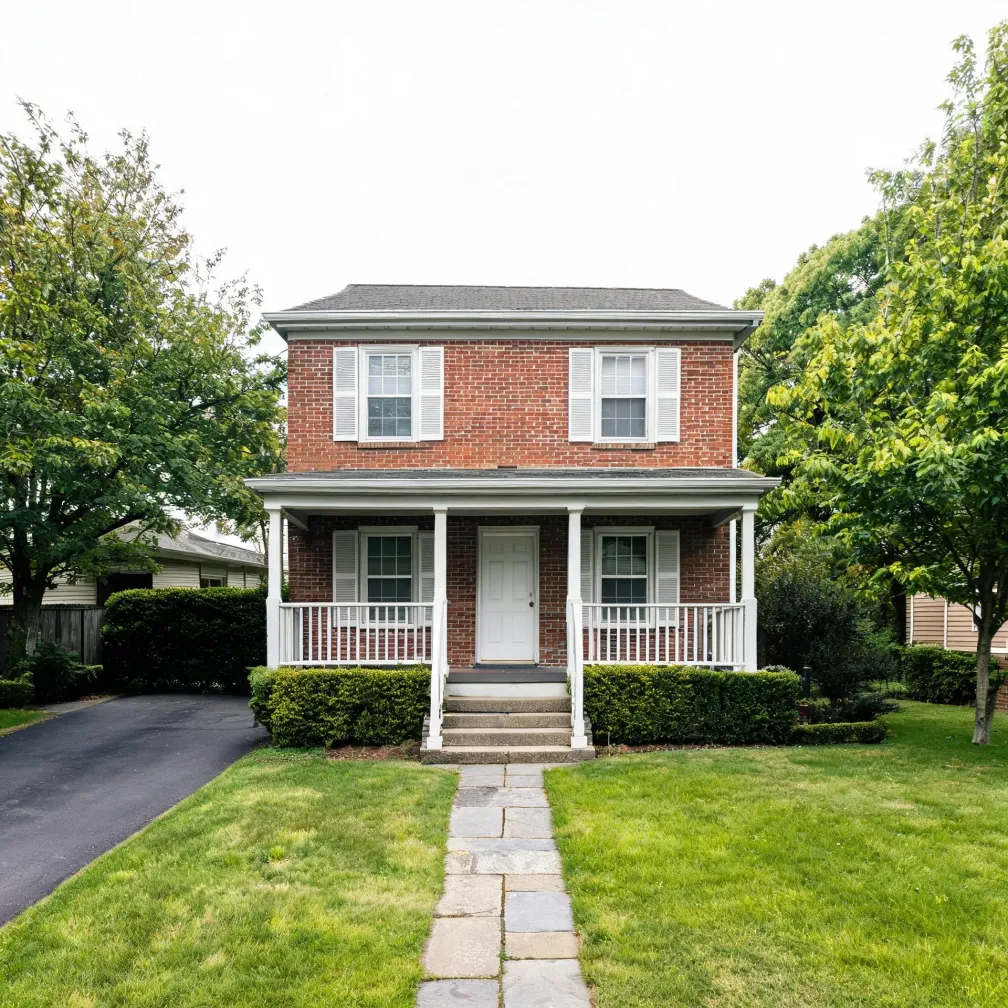
Before a contractor can spec a mini split for a DC row house or detached home, the panel has to be opened and read, not assumed from the outside. Half the homes in District of Columbia were built in 1958 or earlier (2020-2024 ACS 5-year). A house built that long before modern heat pump loads were a design consideration will carry whatever electrical service its original owner needed, and that figure varies widely. Ductwork, if any exists, gets the same scrutiny. A contractor quotes off what is actually in the house, not off what the address looks like from the street.
Does where you live in DC put extra strain on your HVAC?
2015–2024 · Source: NOAA National Centers for Environmental Information, Storm Events Database.
Outdoor HVAC equipment in the District contends with summer heat that pushes condensers hard, winter ice that works into coil fins and drain lines, and wind-driven debris that degrades exposed components over time. A unit sized or positioned without accounting for local conditions gets worked harder than it was designed for. The contractor you are matched with knows what the equipment on your property will face and specs the job accordingly.
District of Columbia HVAC Installation and Repair License Requirements
District of Columbia sets its own licensing rules for HVAC contractors, and the language below is drawn directly from those rules rather than paraphrased.
A District of Columbia refrigeration and air conditioning licence reaches only ten feet: on an original installation the licensee may connect the equipment to a disconnect within sight and within ten feet of the motor, to a water shut-off valve within ten feet, and to an approved drain — anything further is another trade's licence.
A state license for this trade defines who is legally permitted to perform HVAC installation and repair work on your property. A contractor without the required license is operating outside what DC law allows. Every contractor this site routes a request to holds the license these provisions describe, and that is the screen a request passes through before it reaches anyone.
Read the Source Provisions2 provisions
A District of Columbia refrigeration and air conditioning licence reaches only ten feet: on an original installation the licensee may connect the equipment to a disconnect within sight and within ten feet of the motor, to a water shut-off valve within ten feet, and to an approved drain — anything further is another trade's licence.
The District of Columbia requires a licence to install, maintain, repair or replace refrigeration and air conditioning equipment, whether you run the business or are employed in it.