
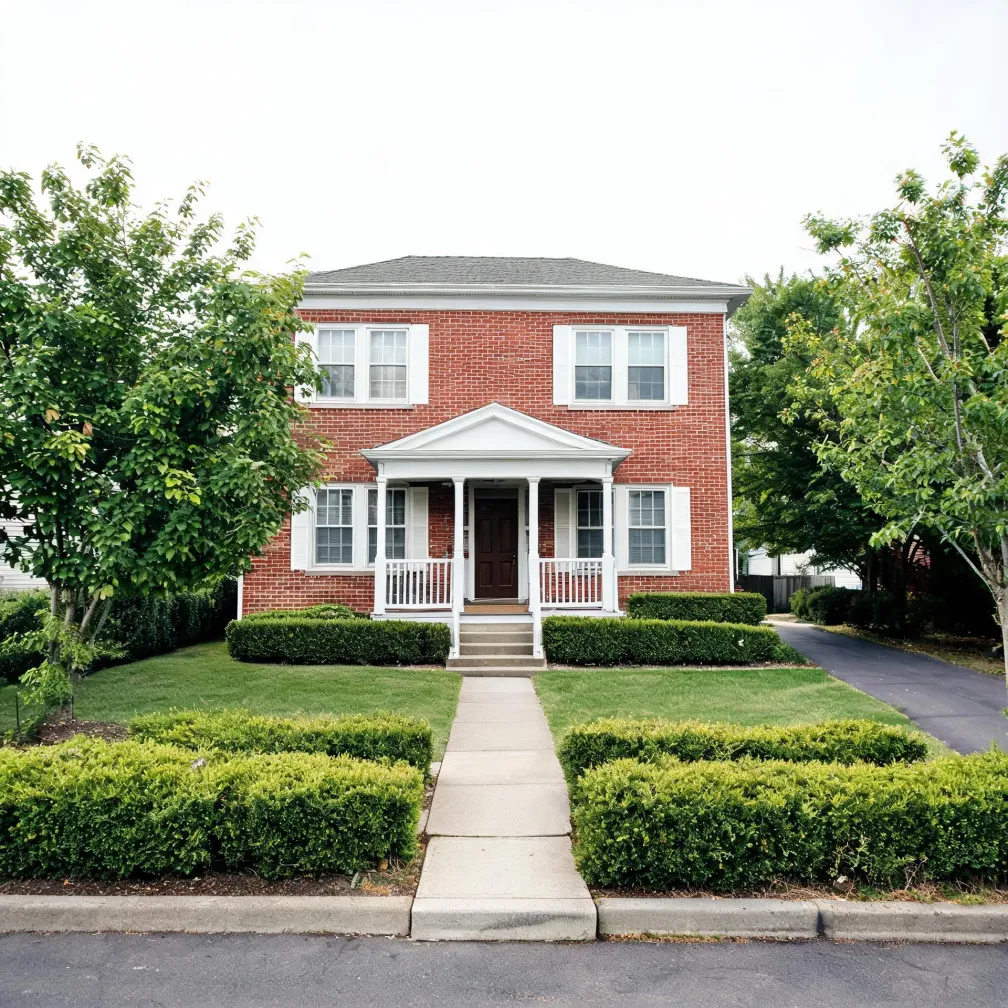
What Pennsylvania homes are up against.
NOAA National Centers for Environmental Information, Storm Events Database, bulk CSV export, events 2015-01-01 through 2024-12-31. · U.S. Census Bureau, 2020-2024 American Community Survey 5-Year Estimates

A quote for a mini split that ignores what the equipment has been running against will miss something a contractor finds the moment they look at an existing system. 12,160 severe weather events were recorded in Pennsylvania between 2015 and 2024. At that rate, severe weather is not an occasional stress test; it is a recurring load, and components that hold up under occasional strain start showing their limits when recovery is demanded that often. The county a homeowner lives in sets the exact version of that load, which is what a contractor has to read before settling on capacity, placement, or what the install needs to account for.
Before a contractor can size a mini split for a house, they have to know what the panel can carry. Half the homes in Pennsylvania were built in 1965 or earlier (2020-2024 ACS 5-year). Wiring and service capacity that made sense when those homes went up were not sized around equipment like this, so a contractor opens the panel and reads what is actually there before committing to a specification. A house with headroom in its service gets a straightforward install. One that does not may need an electrical upgrade that changes the scope and the bill before the first line set is run.
Does your county put extra stress on HVAC equipment?
2015–2024 · Source: NOAA National Centers for Environmental Information, Storm Events Database.
A condenser sitting outside in Pennsylvania faces wind, driving rain, hail, ice load, and summer heat in the same year. Equipment that is undersized for the site or installed where it cannot drain and breathe will fail sooner and work harder before it does. The contractor you are matched with knows how to size and position a system for what that specific location actually delivers.
Pennsylvania HVAC Installation and Repair License Requirements
Pennsylvania sets its own rules for who can perform HVAC installation and repair work legally in the state. The provisions below are quoted directly from state sources, not paraphrased.
Pennsylvania names the trade in its own definition: installing central heating or air conditioning is a home improvement under the Act, whether or not the equipment is affixed — so an HVAC installation is work the registration requirement reaches.
A state license for this trade means the work is restricted to contractors who have met Pennsylvania's own requirements, not simply anyone willing to take the job. For a homeowner, that distinction matters at the point of hiring. The contractors this site routes requests to hold the license these provisions describe, and a request goes nowhere until that condition is met.
Read the Source Provisions3 provisions
Pennsylvania names the trade in its own definition: installing central heating or air conditioning is a home improvement under the Act, whether or not the equipment is affixed — so an HVAC installation is work the registration requirement reaches.
A Pennsylvania registration displaces the local one: no political subdivision may require a home improvement contractor to register, license or pay a fee on top of it, though building permits and local code enforcement still apply.
Pennsylvania requires home improvement contractor registration rather than a licence: nobody may hold themselves out as a contractor, or perform any home improvement, without first registering with the Bureau of Consumer Protection.