
What Vermont homes are up against.
NOAA National Centers for Environmental Information, Storm Events Database, bulk CSV export, events 2015-01-01 through 2024-12-31. · U.S. Census Bureau, 2020-2024 American Community Survey 5-Year Estimates

A quote built on statewide data alone leaves gaps that matter at the property level. 1,748 severe weather events were recorded in Vermont between 2015 and 2024. That rate tells a contractor how often equipment somewhere in Vermont is being pushed, but the house a homeowner actually lives in sits inside that number without being explained by it. Terrain, exposure, and how a building holds or sheds heat all shift what a system has to do. A contractor working a specific address has to account for local conditions the statewide count cannot supply.
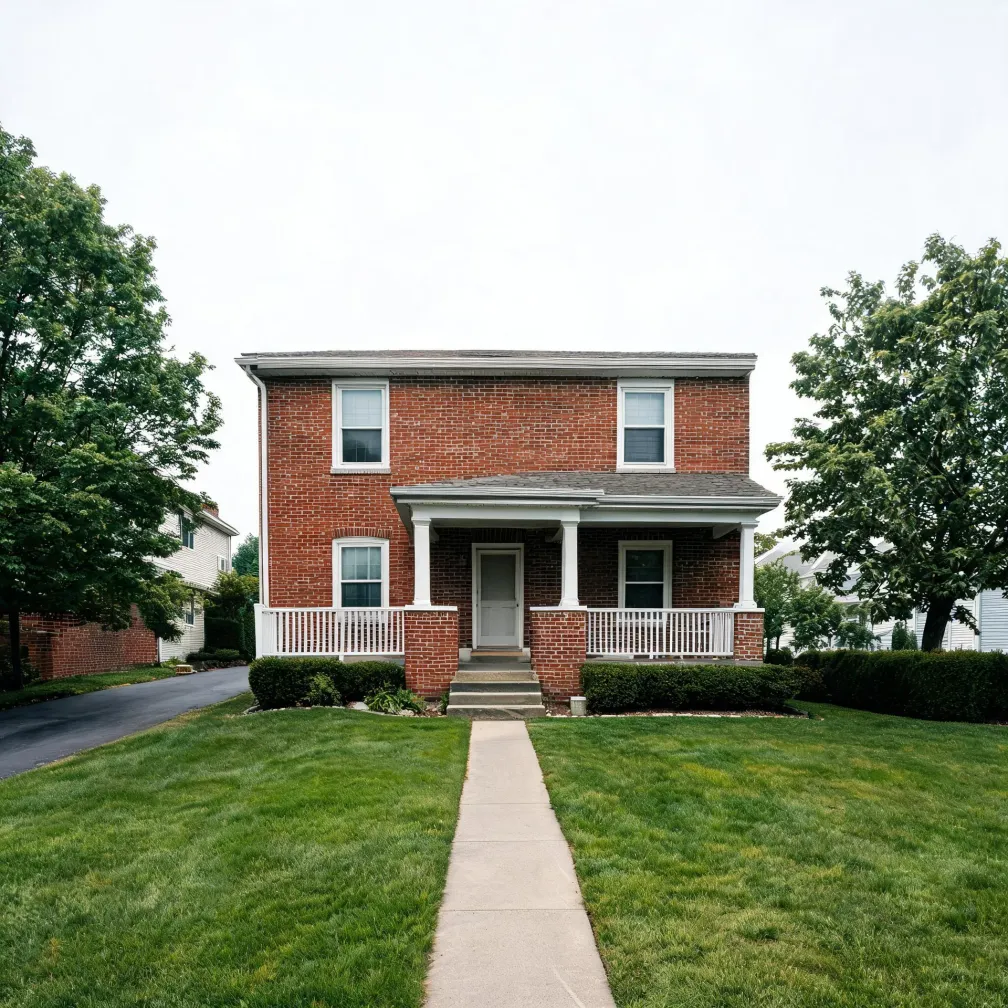
Before a contractor can specify equipment or quote labor, they have to look at what is already in the house: the panel, the existing service runs, and whether the structure has ever carried forced air or refrigerant lines at all. Half the homes in Vermont were built in 1976 or earlier (2020-2024 ACS 5-year). That means the installed base a contractor walks into across Vermont skews toward electrical service that was sized for an older load profile, and assuming it will support a new system without inspection is how quotes go wrong. A site visit that opens the panel and measures the available capacity is what produces a number worth trusting.
Does your county put extra stress on HVAC equipment?
2015–2024 · Source: NOAA National Centers for Environmental Information, Storm Events Database.
A condenser sitting outside through Vermont winters and summers faces ice loading, freeze-thaw cycling, high winds, and the kind of heat that strains refrigerant pressure on the warmest days. Equipment sized without accounting for that exposure gets pushed past its design range before its time. The contractor you are matched with sizes and positions the system for what your site actually sees.
Vermont HVAC Installation and Repair License Requirements
Vermont sets its own rules for who can perform HVAC installation and repair work, and the provisions below are quoted directly from state source material rather than paraphrased.
Vermont splits the trade across two specialty licences and a contractor may hold one without the other: field A1 covers automatic gas or oil heating including geo-thermal and ground source heat pumps, and field C3 covers refrigeration or air conditioning including air-to-air heat pumps.
A state licensing requirement means that only contractors who have met Vermont's conditions for this trade are authorized to do this work in your home. Sending a request through this site routes you to contractors who hold the license these provisions describe. That is the filter every request passes through.
See the source provisions2 provisions
Vermont splits the trade across two specialty licences and a contractor may hold one without the other: field A1 covers automatic gas or oil heating including geo-thermal and ground source heat pumps, and field C3 covers refrigeration or air conditioning including air-to-air heat pumps.
Vermont reaches HVAC work through its electricians’ licence rather than an HVAC licence, and the requirement stops at the front door of a house: anyone performing electrical work in Vermont must be licensed as an electrician unless the work is in a residential building containing two or fewer dwelling units.